Pests have become increasingly difficult to control in homes, offices, commercial structures, healthcare, and food-processing areas. The use of pesticides has usually been a method for pest management due to their quick action; however, overdoses of pesticides can cause several issues, such as pesticide resistance, excess use of chemicals, and hazards to human and environmental safety. Sustainable Pest Management vs Conventional Pesticide Dependence has become a critical topic as pest challenges continue to grow across different environments.
This is where sustainable pest management becomes more necessary. It emphasizes prevention, regular monitoring, proper identification of the pests, and treatment using Integrated Pest Management (IPM). Sustainable pest management does not rely only on chemicals but uses several means of controlling pests.
The Pakistan Entomological Society (PES) is playing a vital role in promoting the science of entomology through various research activities, IPM training programs, seminars, and awareness programs, which are contributing towards science-based and sustainable pest management systems.
In this blog, you will find out the distinctions between sustainable pest management and conventional pesticide dependence use, the principles behind these approaches, and why an integrated and preventive method is becoming a popular one in pest management.
What Is Sustainable Pest Management?
Sustainable pest management is the scientific way to deal with pests such that it provides effective pest management without posing risks to human beings, structures, organisms helpful to human beings, and the environment itself. This technique involves prevention, inspection, sanitation, exclusion, and correct usage of pesticides.
The main objective of sustainable pest management is to keep the level of pests to an unacceptable extent without using any chemicals and maintaining the environment pest-free and clean.
Prevention rather than reaction is one of the most important tactics of sustainable pest management. Sustainable pest management does not give chances to the pests to get established in the environment.
In addition to that, sustainable pest management also has many other advantages for the environment, economy, and society. It helps reduce excessive use of pesticides, prevents resistance to pesticides, safeguards non-target organisms, lowers pest control costs in the long run, improves the safety of food storage in the future, etc.
What Is Conventional Pesticide Dependence?
Conventional use of pesticides is the use of chemical pesticides in managing pests in stored product premises such as warehouses, flour mills, godowns for storing, grain storehouses, and food processing industries, where the pesticides form the sole way of pest management.
Pesticides are used conventionally by stored product managers because of their rapid pest management and ease of application as well as being protectors of foodstuffs such as grains from destruction by pests such as weevils, beetles, borers, and moths.
The use of pesticides conventionally and following instructions on the label is important in the eradication of major pest infestations, storage of agricultural produce, food safety and prevention of economic loss.
However, relying too much on pesticides may result in pesticide resistance, pesticide residue, contamination of the environment, and recurring attacks from pests. This shows that pesticides have to be used together with IPM methods such as sanitation, monitoring, and proper storage of materials.
Key Difference: Sustainable Pest Management vs Conventional Pesticide Dependence
While both methods try to deal with structural pests efficiently, there are great differences between the two concerning human health, environmental considerations, long-term effects, and sustainability. The main differences between the two are highlighted in the following table.
| Feature | Sustainable Pest Management | Conventional Pesticide Dependence |
| Primary objective | Long-term pest prevention with sustainable pest management | Rapid pest control using chemical pesticides |
| Pest control approach | Combines Integrated Pest Management (IPM), pest monitoring, sanitation, exclusion, and responsible pesticide use | Relies mainly on repeated chemical pesticide applications |
| Environmental impact | Minimizes environmental impact and protects non-target organisms | Higher risk of environmental contamination and harm to non-target organisms |
| Cost over time | Lower long-term costs through prevention and reduced pesticide use | Lower initial cost but higher long-term expenses due to repeated treatments and pesticide resistance in the insects |
| Human health | Promotes safer pest control practices and reduces pesticide exposure | Greater potential for pesticide exposure if chemicals are overused or misused |
Why Is Overdependence on Pesticides a Growing Concern?
It is highly significant to talk about sustainable pest management versus conventional pesticide dependence, since it applies greatly in the realm of structural pest management, where people prefer using quick-fix chemicals rather than considering long-term methods. In the urban areas of Pakistan, the use of chemical pest control measures has become more common because of the requirement for immediate action with visible outcomes.
Another significant problem is pesticide resistance, which occurs due to the regular use of the same pesticides on the stored product insects. Some of the common pests that are developing resistance to certain pesticides include khapra beetle, rice weevil, maize weevil, tobacco beetle, red flour beetle, mosquitoes and cockroaches.
How Sustainable Pest Management Works
Sustainable pest management follows an integrated process rather than relying on a single technique. Pest management professionals first study pest behavior and assess the infestation before selecting the most effective eco-friendly treatment. They follow a step-by-step approach to control the problem and use chemical pest control only when necessary.
The first step is surveillance for pests. It helps to make informed choices before the occurrence of an outbreak. It involves routine inspections and observation, which help in detecting any signs of pests’ activities. When dealing with structural environments, it involves inspecting hard-to-reach places where pests can thrive.
Correct pest identification comes next, and it is more significant than people think. Identification is critical because different types of pests require different methods for their elimination. In the case of misidentification, it can cause inefficient pest control and the application of pesticides where they are not needed.
Physical controls provide an effective way to deal with the problem without using any chemicals. This can include traps, barriers, filling up cracks, and heat treatments. Such effective controls for pests that don’t involve any chemicals are particularly helpful in sensitive areas such as food processing facilities, healthcare settings, and educational institutions.
Lastly, chemical application is only done when necessary. When it comes to pest management, chemicals should be the last resort. If chemicals are used, they are carefully chosen and selectively sprayed to reduce the effect of the chemicals on the environment and delay insecticide resistance.
The Role of Integrated Pest Management (IPM)
What Is IPM?
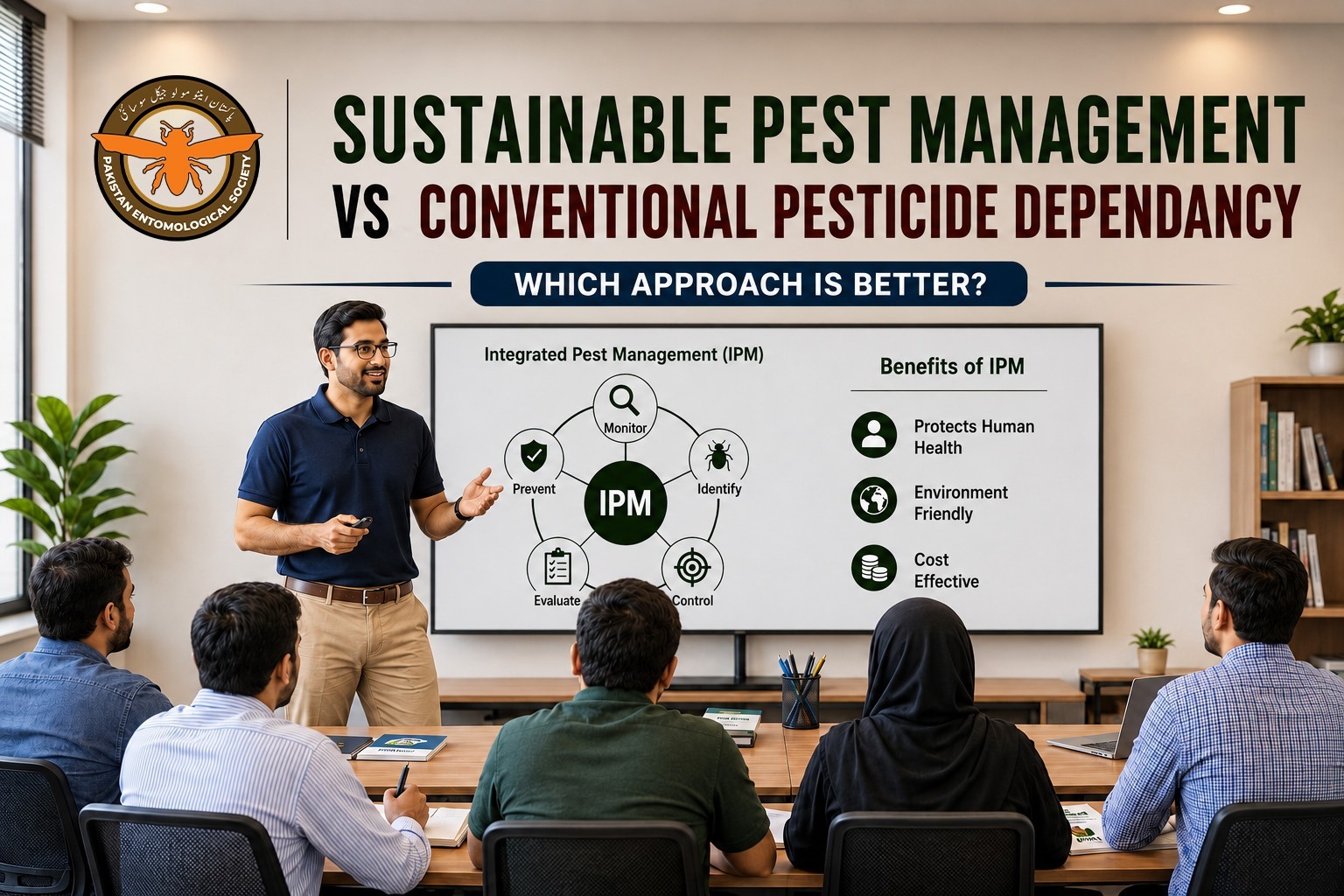
Integrated Pest Management (IPM) is the scientific method that involves pest surveillance, prevention, identification of pests, and proper control measures to manage pests effectively. The use of chemical pesticides is done only when it is required and in a planned way.
Why IPM Is the Foundation of Sustainable Pest Management
IPM is the basis of sustainable pest management since it is based on preventive rather than reactive techniques involving pesticides. IPM integrates various methods for the achievement of sustained results.
How IPM Reduces Unnecessary Pesticide Applications
Integrated Pest Management (IPM) reduces the need for chemical treatments by using them only when pest activity reaches the action threshold.
Economic and environmental benefits
IPM results in economic savings in terms of the prevention of any severe infestation and less need for chemical treatments. Furthermore, it ensures that the air inside is not polluted, and there are fewer hazards for the occupants. In an environmental sense, IPM restricts the use of chemicals in any runoff and encourages environmentally sound pest control in urban areas.
Contribution to Long-Term Pest Management
IPM ensures sustainable development through the creation of pest-resistant buildings and maintenance of control measures that remain effective for a long time. It helps create a safe working and living environment while making good use of the available resources.
Professional Training and Research
Some of the institutions in Pakistan that have encouraged the adoption of IPM practices include the Pakistan Entomological Society (PES). These institutions organize seminars and workshops that keep pest controllers in full latest knowledge of the scientific approach towards controlling pests. Government bodies, universities, and research institutions conduct campaigns that encourage the proper use of pesticides.
Benefits of Sustainable Pest Management
Home Owners and Businesses
IPM prevents re-infestation, minimizes damage to property, and avoids expenses associated with the control of pests.
Residents and Consumers
IPM makes the environment healthy by minimizing unnecessary use of chemicals, thereby saving people from exposure to these dangerous substances.
Public Health
Pest management helps to reduce population of harmful pests which act as vectors of various diseases, such as rats, mosquitoes, and cockroaches.
Biodiversity and Non-Target Organisms
Good use of pesticides guarantees protection of beneficial insects while minimizing negative effects of pest management processes on the environment.
Environmental Protection
Good use of pesticides eliminates residues and helps to improve quality of air, water, and soil near homes and business organizations.
Long-Term Cost Savings
Prevention techniques involving inspection, sanitation, exclusion, and monitoring lead to less frequent treatments and will be more economical.
Compliance and Business Reputation
Sustainable pest management within food processing plants, hospitals, hotels, and other commercial establishments is important not only because it ensures compliance but also because it protects the company’s reputation.
Challenges in Adopting Sustainable Pest Management
Limited Awareness
A lack of awareness regarding the use of sustainable pest management is the main challenge that prevents people from adopting this approach. Property owners and facility managers continue to use pesticides instead of implementing an IPM program.
Restricted Access to IPM Training
The restriction in access to IPM training programs constitutes one major challenge to the implementation of sustainable pest management practices. Successful adoption of IPM requires the presence of properly trained pest management specialists who understand pest behavior.
Non-Availability of Non-Chemical Solutions
One of the main problems associated with sustainable pest management is the low availability of non-chemical methods of pest management. For example, biological means of pest control, innovative ways of monitoring pests, and many others might not be easily accessible.
Short-Term vs. Long-Term Costs
One of the drawbacks associated with sustainable pest management is the high cost of prevention that involves inspections, proofing, and monitoring. However, preventive measures lead to low infestation and hence low costs on pesticides and pest control.
Policy and Industry Support
Inadequate government policies, lack of industry standards, and poor support from professional organizations are key barriers to the implementation of sustainable pest management. It is necessary for there to be adequate regulation, standardized guidelines, and industry collaboration for sustainable pest management.
Professional Guidance and Education
A major difficulty in sustainable pest management is the absence of professional guidance, regular training, and the availability of evidence-based knowledge. There are various institutions in Pakistan that assist in overcoming these difficulties through research and conferences on sustainable pest management, such as the Pakistan Entomological Society (PES).
FAQs
Sustainable pest management is the process of managing pests in a sustainable manner through preventive measures without posing any risk to human beings and the environment. The process uses surveillance, sanitation, biological, physical, and chemical control mechanisms.
Sustainable pest management focuses on prevention and uses multiple control methods, whereas conventional pesticide dependence relies mainly on repeated chemical applications. Sustainable approaches reduce pesticide use while maintaining effective pest control.
Excessive pesticide use can lead to pesticide resistance, environmental contamination, harm to beneficial organisms, and potential risks to human health. It may also reduce the long-term effectiveness of chemical pest control.
Integrated Pest Management (IPM) is the foundation of sustainable pest management. It combines biological, cultural, physical, mechanical, and chemical control methods to manage pests effectively while minimizing pesticide dependence and environmental impacts.
Sustainable pest management helps protect stored grains and food products from insect infestations while reducing pesticide overuse and delaying pesticide resistance. It improves food safety, maintains product quality, and supports safer, more effective pest management practices in warehouses, grain storage facilities, flour mills, and food processing industries across Pakistan.
Conclusion
The decision to choose sustainable pest management over reliance on chemical pesticides is not the removal of chemical pesticides from pest management. However, it involves the use of chemicals in a way that does not pose any danger to anyone or to the environment. Although chemical pesticides play an effective role in pest control, their excessive use leads to pesticide resistance and pest reinfestation.
Sustainable pest management involves the incorporation of strategies such as prevention, monitoring, pest identification and appropriate use of pesticides to ensure effective pest management in the long run. The use of such scientific principles ensures that people, properties and the environment are protected while avoiding the unnecessary application of chemicals.
In Pakistan, the promotion of sustainable pest management through the efforts of Pakistan Entomological Society (PES), entomology researchers, and IPM industry experts will help in improving the standards of the pest management sector in Pakistan.
