Bitten by Danger: Dengue Rises in Pakistan
and Mosquitoes Lead the Charge
By: Fazeela Zarin
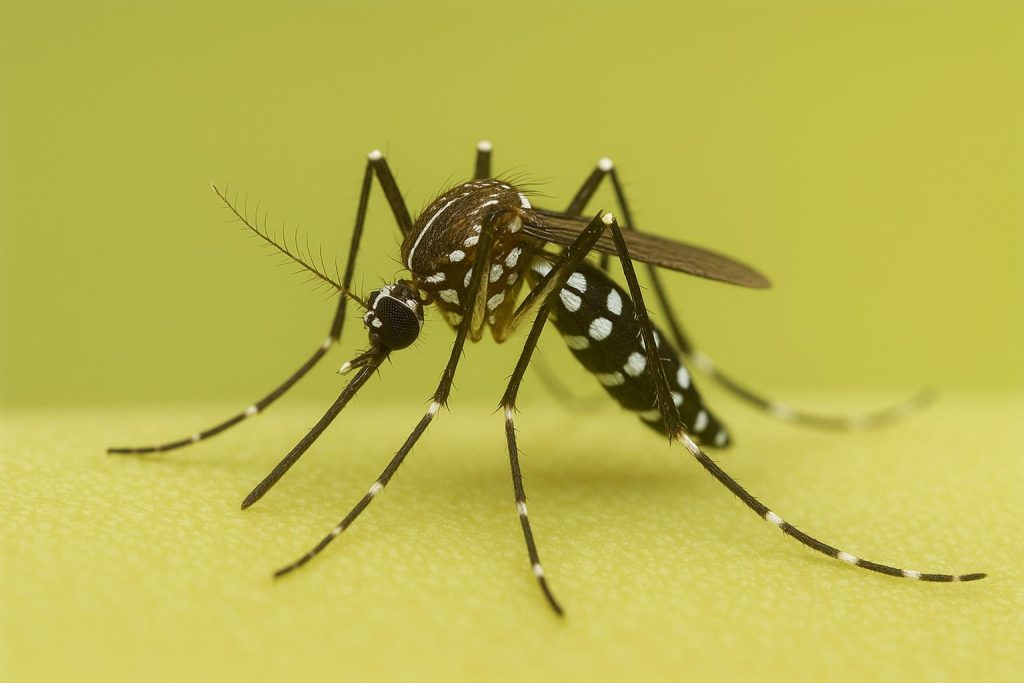
In recent years, Pakistan has witnessed a troubling resurgence of dengue fever, with thousands of cases reported annually across urban centers such as Lahore, Karachi, Islamabad, Peshawar, and Rawalpindi. What was once considered a seasonal problem has now turned into a persistent public health crisis. The Aedes aegypti mosquito the primary vector for dengue thrives in Pakistan’s urban environments, taking full advantage of poor sanitation, stagnant water, and inconsistent mosquito control efforts.
Pakistan’s Growing Risk: The Mosquitoes Behind the Epidemic
Three mosquito species play major roles in mosquito-borne diseases in Pakistan:
- Aedes aegypti is the primary carrier of dengue, chikungunya, and Zika virus
- Aedes albopictus is a secondary dengue vector and is expanding in range due to changing climate conditions.
- Culex quinquefasciatus transmits West Nile virus and Japanese encephalitis, though less common, still poses regional risk.
The Aedes aegypti mosquito has adapted to urban life, breeding in water containers, old tires, plant pots, and construction sites They bite aggressively during daylight hours, making control efforts even more difficult
How Infection Happens: Mosquitoes as Vectors
Mosquitoes aren’t born dangerous. They only become carriers of disease after feeding on an infected human. In the case of dengue, the virus develops inside the mosquito over 7–10 days, after which it can infect new people through bites. In crowded Pakistani cities, a single infected person can trigger hundreds of new cases especially where mosquito bites go unnoticed and
unchecked.
Prevention: What You and Your City Can Do
Personal Protection:
The National Institute of Health (NIH) and Pakistan’s Ministry of Health recommend:
- Using mosquito repellents containing DEET or picaridin.
- Wearing long-sleeved shirts and full-length pants, especially during early morning and
late afternoon. - Installing mosquito nets and window screens.
Community and Government-Level Action:
- Drain standing water around homes, schools, and public areas.
- Regular fogging and larviciding by municipal bodies.
- Awareness campaigns in schools and mosques to teach communities about mosquito
control. - Monitoring hot zones with high dengue case counts and launching immediate response
units.
Despite these guidelines, lack of coordination, inconsistent surveillance, and poor waste management continue to fuel the outbreak year after year.
The Real Danger Is Complacency
Pakistan’s dengue challenge is not just about the mosquito it’s about the systemic failure to act swiftly and consistently. As temperatures rise and urbanization outpaces infrastructure, mosquito breeding sites are multiplying. Diseases like dengue are no longer tropical anomalies; they are a year-round threat. The Aedes
mosquito’s bite might feel like nothing but behind it lies a growing danger that threatens millions every season

- Admin Office
-
Entomological Society of Pakistan.
A-145, Akbar Road, Ghouri Town Phase-3
Islamabad 46000
- Phone : +(92) 318-5128617
- Email : Info@entosociety.pk
- Email : entosocietypk@gmail.com
Quick Links
Copyright © entosociety.pk. Created By RK-Marketing