It’s important to have the role of an entomologist in agriculture. Agriculture is Pakistan’s largest segment of the economy and a large part of the national GDP, and employs millions of people, especially in rural areas. However, crop production has many obstacles that include insect pests that damage crops, reduce yield, and cause financial loss for farmers; therefore, growing food for the population and maintaining sustainable agriculture is a serious threat to agriculture. Insects not only pose a threat to food safety but also threaten the very foundation of the agricultural industry of the country. In agriculture, the role of the specialist, such as in our case of expert entomologists, is very important not because that he supported agriculture but empowered and helped produce better farmers to those insect pests. In many ways, entomologists protect the crops of Pakistan.
Who is an entomologist?
An entomologist is one who studies the insects who studies insects. They learn about insect life cycles, classification, and behaviour as well as genetics and ecological roles. Agriculture Entomologists conduct research in agricultural, medical and environmental sciences. They are pest-eaters, research subjects investigating insect vectors like fleas and defenders of good species, ladybugs and butterflies contribute to biodiversity and human health.
In agriculture, entomologists focus on:
- Identifying harmful insect species
- Studying pest life cycles
- Developing pest control strategies
- Promoting eco-friendly farming practices
The Entomology expert utilises pest life cycle research and seasonal patterns to ascertain the time and best method for pest control. They create practical and scientifically sound pest-control methods, such as chemical, biological, or cultural pest control methods. Moreover, they promote green farm practices through IPM, by which less chemical is applied to crops so as to safe and protect soil, water, and beneficial organisms as well.
Major Insect Threats to Crops in Pakistan
The climate of Pakistan plays an important role in crops such as:
- Sugarcane crop
- Wheat crop
- Maize crop
- Rice crop
- Fruit crop
- Vegetable crop
Unfortunately, these crops are affected by agricultural pests such as:
- Bollworms in cotton
- Aphids in wheat
- Stem borers in rice
- Whiteflies in vegetables
The study of insect pests is very important for pest control experts because these pests cause damage in agricultural crops. If not managed properly, these insects can induce yield losses of up to 30–40% in certain areas.
What is agricultural entomology?
This is a branch of entomology that deals with the study of various insect pests associated with cereal crops, domesticated animals and storage products. Many insects are agricultural pests. They come in a variety of types; some are plant eaters. They damage different type of plants and crops by eating leaves, stems, roots and fruits, or plant products, as well as transmission of plant diseases. Some such examples include locusts, aphids, and caterpillars. Bees are a great example of those kinds of pollinator insects. Besides pollinators, a way to many useful predators like the lady beetle, as well as the predator bugs, also consume the harmful insects. The agricultural entomologists try to know the biology, ecology, and behaviour of the insects so that they can find ways of controlling them economically in a safe environment.
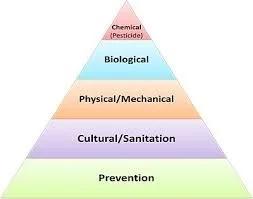
The entomologists who know all the ways of controlling the insects biologically, culturally, mechanically, as well as chemically, can find ways of controlling them. The use of Integrated Pest Management (IPM) is a major theme in the practice of agricultural entomology. IPM is a holistic concept for pest management that considers all pest control measures for the long-term sustainability of the ecosystem. The concept is based on the use and application of a combination of pest control measures, which include chemical, cultural, genetic, physical, and biological control.
What are bugs in Entomology?
In entomology, the word “bugs” has two meanings:
Scientific (True Bugs)
The order of bugs is Hemiptera. These bugs are also called true bugs. True bugs suck the plant sap or organism fluids using piercing-sucking mouthparts. Many true bugs also have unique forewings that are partly hardened and partly membranous.
Examples include:
- Stink bugs
- Bed bugs
- Aphids
- Cicadas
Common (General Use)
In general terms of conversation, the term “bug” refers to all kinds of small crawling animals, which may or may not be insects, like spiders. On the other hand, spiders do not belong to the class insecta; they belong to the class Arachnida. Thus, the word “bugs” refers to the insects belonging to the order of the Hemiptera family of insects, but the word “bugs” refers to all kinds of creepy-crawly animals.
Key Roles of Entomologists in Protecting Crops
Pest identification and monitoring
Entomologists study and identify the pests and their populations. Early control strategies mitigate the economic loss and stop the pest population from spreading.
They also use contemporary tools like:
- Pheromone traps
- Light traps
- Field scouting techniques
Such methods enable early action before pests become widely established.
Development of Integrated Pest Management (IPM) Strategies
Entomologists at Entosociety use IPM strategies to safely manage pests. There are IPM tactics such as cultural control, mechanical control, and biological control and chemical control. IPM combines:
- Biological control is a very safe method to control pests in IPM. Use natural enemies against pests.
- Cultural practices are another technique used to control pests.
- Mechanical control (traps and barriers)
- Chemical control
This technique reduces dependence on hazardous chemicals and safeguards soil, water, and beneficial insects.
Biological Control of Pests
Biological control is a very safe method to control pests. Instead of relying only on chemicals, entosociety entomologists introduce natural enemies of pests, such as:
- Parasitoid wasps
- Predatory beetles
- Beneficial fungi and bacteria
These biological agents control pest populations naturally and sustainably.
Research and Innovation
Entomologists carry out their research in research institutes and universities to develop
- Develop crop varieties to resist pests.
- Develop safe pesticides
- Develop a smart pest control method
The Pakistan Entomological Society conduct research on insect pests to provide safe and eco-friendly techniques to farmers for the control of insect pests.
Farmer Education and Training
Many farmers in rural areas lack awareness about modern pest management techniques. Entosociety Entomologists:
- Conduct workshops and training sessions
- Provide field demonstrations
- Guide farmers on safe pesticide usage
This reduces health risks and improves crop productivity.
Managing Invasive Species
The chances that invasive bug species will enter and spread in Pakistan have increased significantly in light of climate change and the growth in international trade. Warmer winters, irregular rainfalls, and increasing temperatures all contribute to the reproduction and territorial spread of numerous pests. In addition, insects can move beyond their boundaries via plants, agricultural items, and shipping materials as a consequence of international trade. Entomologists use IPM techniques such as biological control and safe pesticide use to prevent major crop losses.
Importance of Entomologists for Food Security
Pakistan’s growing population increases the demand for food production. Without effective pest control:
- Crop yields decline
- Farmers face financial losses
- Food prices increase
- National food security is threatened
Agricultural entomologists help ensure stable crop production, which directly supports food security and economic growth.
Challenges Faced by Entomologists in Pakistan
The pest control expert faces more challenges because their role is very critical. They face many challenges:
- Research funding resources are limited.
- Moreuse of chemical sprays.
- Impact of climate change
- Lack of farmer awareness
Addressing these challenges requires government support, modern technology, and collaboration between research institutions and farmers.
Future of Entomology in Pakistan
Innovation, sustainability, and strong policy support are the keys to the future of crop protection in Pakistan. Digital surveillance and early warning systems are two examples of sophisticated methods of pest management that help to identify the problem on time and prevent losses to the crops. They should develope eco-firendly method to control pests and develop pest-resistant varieties for future challenges.
Frequently asked questions (FAQs)
The primary function of an entomologists to eradicate pests in a safe and eco-friendly way. They protect agricultural crops from invasive pests such as armyworms, aphids, whiteflies, bollworms, and stemborers. Another main function is to protect human health from disease-spread insect pests, such as mosquitoes, cockroaches, rodents and fleas.
Agricultural crops are most susceptible to insect pests. The agricultural crops, such as maize, wheat, rice, cotton, sugarcane, fruits and vegetables, are the most susceptible to pests, such as aphids, whiteflies, cutworms, and bollworms, etc.
Agricultural Entomologists engage in extension work for the benefit of farmers through field demonstrations and training. The training is aimed at enhancing the use of pesticides in a safe manner, teaching farmers how to carry out pest monitoring and making them aware of IPM.
The Nation’s Food Supply Entomologists are vital to the nation’s food supply, contributing to the economic success of our farmers and a safe food supply by protecting our nation’s food supplies from pests.
Conclusion
Entomologists play an important role in the protection of crops to maintain the food security and sustainability of the agricultural sector in the country. Entomologists identify the insects that are a menace to the crops and study their life cycles to develop the most efficient techniques to manage them, such as the Integrated Pest Management technique. They help in the reduction of losses incurred in the crop sector and the increase in the quantity of the produce by conducting research and monitoring the insects that infest the crops. Moreover, entomologists help the farmers learn about the latest techniques in agriculture, biological techniques, and the safe use of pesticides. In addition to the protection of the crops, the scientific knowledge of the entomologists will help in the protection of the environment and the stability of the economy. The agricultural entomologists will be more helpful in the agricultural prosperity of the country in the future if the agricultural research centres in the country, such as the Pakistan Agricultural Research Council, are strengthened and the latest techniques in the management of pests are encouraged.
