Cockroaches are among the most common insects that coexist with humans, found in houses, restaurants, hospitals, and storage facilities throughout the world. They are a nuisance to many, but not to entomologists or public health professionals. Cockroaches are of great interest to medical and urban entomology because they are known vectors of disease. One can discuss about diseases carried by cockroaches as for generations, cockroaches have lived in close proximity to human habitation, feeding on the same food and enjoying the same warm, food-rich conditions.
This is a longstanding relationship with consequences. Cockroaches transfer microorganisms that affect human health from waste, drains, and food preparation areas. In this blog, you will explore why they are considered public health pests and how their presence in a home can creep up over time, adding to health risks; one must first understand their biology, behavior, and movements. With Entoscociety, you become a professional to control pests like cockroaches, but before you can become one, you must know all about the nuisance cockroach.
What Are Cockroaches?
Cockroaches are part of the Blattodea order of insects, characterized by flattened oval bodies, long antennae, and scuttling movement. They are among the most primitive of the existing insect groups, and fossils indicate that they existed before numerous modern insect groups.
There are thousands of cockroach species worldwide, but few survive in human habitats. The most frequently seen species of cockroaches in Pakistan are the German cockroach (Blattella germanica), the American cockroach (Periplaneta americana), and the Oriental cockroach (Blatta orientalis).
Cockroaches are very adaptable insects. They can live on very little food, withstand a wide range of temperatures, and fit into small cracks and crevices. Because they are nocturnal and like dark, moist hiding places, infestations are often not discovered until a large number is present. Their adaptability, coupled with their rapid reproduction rate, is part of what enables them to persist in urban settings.
German Cockroach Lifecycle and Biology
German cockroach (Blattella germanica) is a light-brown cockroach, small in size, and has two dark stripes on its pronotum and is an example of cockroach with incomplete metamorphosis in three stages: egg, nymph, adult. The female attaches her egg case (ootheca) containing 30-40 eggs to her abdomen until just before hatching; this protects the eggs from many insecticides and predators. Nymphal development takes 40-60 days, twelve to more than twelve molts and sexual maturity under warm, humid indoor conditions in 6-8 weeks or less, with each female laying several oothecae during her life. This ability to reproduce rapidly, combined with their preference for warm, moist crevices in and around food, plumbing, and their tendency to gather in groups exposes them to even greater contact with filth and food surfaces, making them excellent mechanical vectors of disease.
Why Are Cockroaches Considered Public Health Pests?
A public health pest is typically an organism that can cause harm to people or act as a vector or host for disease-causing microorganisms. Cockroaches are not in this category due to their biting or stinging abilities but because of the way they move, overlapping with human living areas.
In medical entomology, cockroaches are a subject of interest due to their close association with unsanitary conditions. Cockroaches often inhabit drains, sewerage systems, garbage disposal areas, and decomposing organic matter before re-entering kitchens, pantries, and dining areas. They are classified as a public health concern because of the back-and-forth movement of contaminated and clean zones.
Urban entomology also involves studying the effect of urban design, irrigation systems, and waste management practices on cockroach populations in urban areas. High human density in these urban areas would also allow cockroaches to thrive due to abundant food waste, moisture, and potential for human contact and contamination.
Diseases Carried by Cockroaches and Their Public Health Significance
It is essential to understand the mechanism when discussing diseases spread by cockroaches. Unlike mosquitoes, which transmit malaria via a bite, cockroaches do not act directly as disease vectors. Rather, cockroaches mechanically transmit pathogens by picking them up on their bodies, legs, and mouthparts and transferring them to food and surfaces as they move around and transport food.
Bacteria and other microorganisms that cling to the cockroach’s exoskeleton can be picked up as the cockroach moves through unsanitary environments. These microorganisms can be transferred when they walk across countertops, dishes or food items, making them susceptible to contamination, not infection.
Some bacteria and pathogens have been researched with regard to cockroach contamination:
- Salmonella spp. (food poisoning bacteria)
- Bacteria from the genus Escherichia coli have been associated with gastrointestinal infections.
- Staphylococcus species that impact the health of skin and soft tissue
Note that these microorganisms can be present on cockroaches, but not all contact with cockroaches will result in a diseased individual. Instead, they are vectors because they make it more likely that the person becomes contaminated with the disease, especially where sanitary practices are poor. Public health entomologists are still investigating these associations to better understand the actual disease-transmission potential of cockroach infestations and to prevent overgeneralizing cockroach disease-transmission risks in any given situation.
How Cockroaches Contaminate Food and Household Surfaces
The association of cockroaches with contamination is related to their feeding and movement patterns. Cockroaches are often seen near garbage bins, sewer lines, drains, and decaying food waste. They are also attracted to moisture and organic material, so they will often wander through some of the least sanitary areas in a building before they get to food storage areas and kitchens.
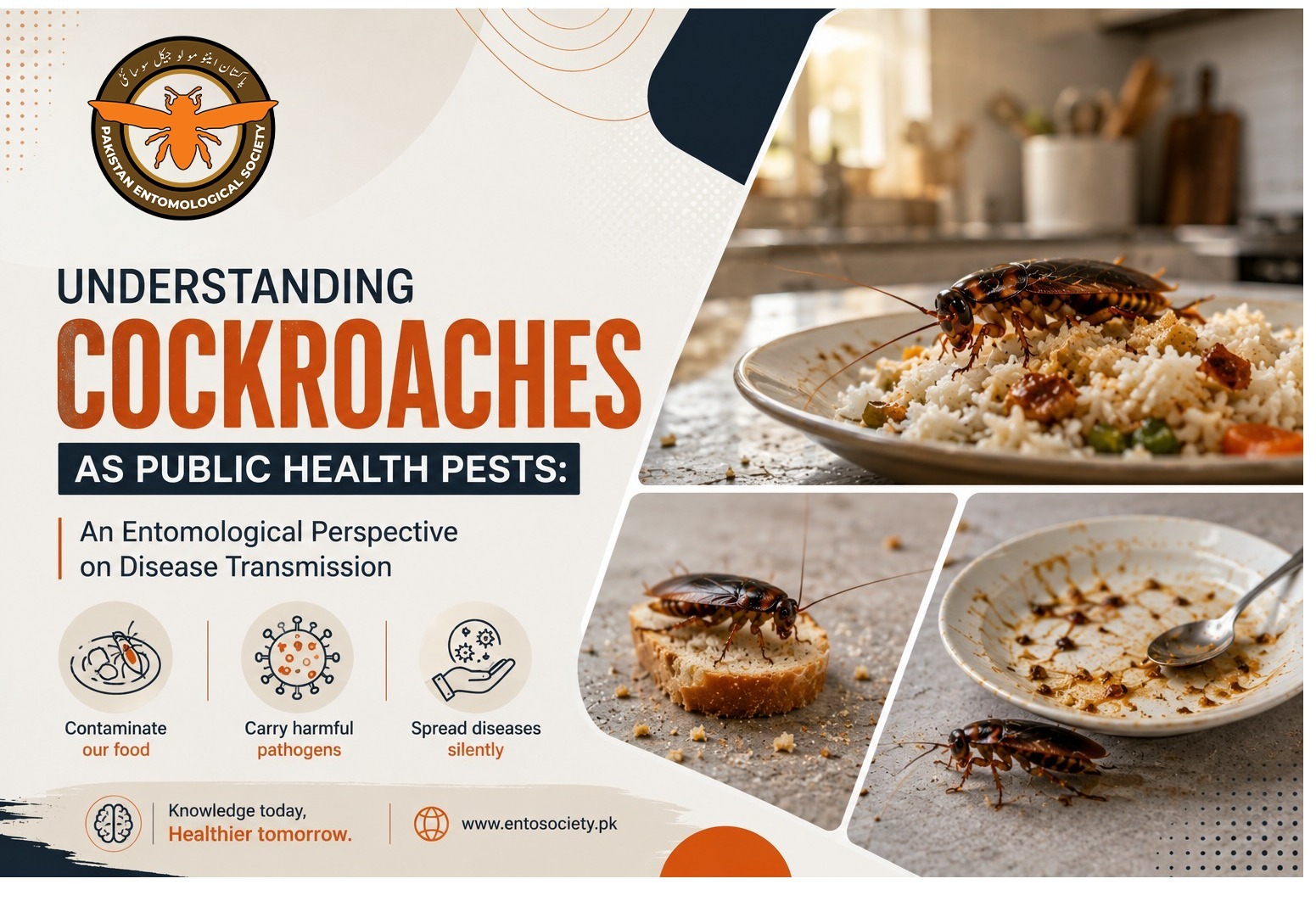
After entering food preparation areas, cockroaches can contaminate the food with saliva, fecal material, and shed skin, as well as any microbes on their bodies. Together, this creates surface contamination, even on seemingly clean surfaces.Cockroaches are active at night and can contaminate kitchens without being noticed, especially when people leave dishes uncovered or food remains out overnight.
That’s why food safety and household sanitation are considered intimately related to cockroach control. Cockroaches have fewer chances to contaminate food preparation areas when food containers are sealed, surfaces are cleaned regularly, and waste is cleaned up promptly. One of the best ways to minimize health risks associated with cockroaches is to minimize the number of surfaces that they come into contact with, from a hygiene point of view.
Cockroaches, Allergens, and Respiratory Health
Cockroaches are also well known to be a source of allergens. Protein from cockroach saliva, feces, and discarded exoskeletons can be airborne, especially in cockroach-infested homes. These are inhaled and can cause allergic reactions in susceptible people.
Public health research has found a significant connection between cockroach allergens and respiratory illnesses, particularly asthma.
One group of children that has been the subject of several studies regarding indoor allergen exposure and severity of asthma is children who reside in homes that have persistent cockroach infestation. Although there are different levels of sensitivity in different people, the cockroach allergens are known to be a contributing factor to the air quality and respiratory health in houses.
This allergenicity is one more reason for studying cockroaches in detail in public health entomology. The effects of exposure do not just stop at contamination; they can also cause chronic respiratory health problems that can occur or be exacerbated with long-term exposure. Cockroaches can pose significant challenges for restaurants, such as defiling food and surfaces, failing to meet health code requirements, attracting attention in the restaurant and causing potential outbreaks of foodborne illness. Roaches usually invade through gaps around the doors and windows, drains, delivery boxes, and in plumbing and feed on food debris, grease, and stagnant water in kitchens. To prevent roaches from multiplying, you need to close all access points, keep sanitation clean (no food left over, dry drains, closed trash bins), inspect for pests regularly and store food properly to remove moisture and food for roaches.
Factors That Encourage Cockroach Populations in Homes
Cockroach infestations rarely occur without an underlying cause. Homes and buildings are more appealing to these insects because of several environmental factors:
- Food Availability: Uncovered food, spills, and crumbs are a readily available food source.
- Moisture: Wet basements, leaking pipes, and areas of high humidity are conducive to survival.
- Hiding places: Cracks, clutter and cardboard boxes provide hiding places that can be hard to check.
- Lack of Sanitation: Waste bins are not emptied regularly, and bins tend to overfill, which helps populations to grow.
After understanding the factors that can cause a cockroach infestation, you can prevent the infestation by restricting the availability of food and moisture, because a small amount of moisture and leftover food support a larger infestation for a long period.
Reducing Cockroach-Related Health Risks
Although you cannot completely eliminate all potential contact with cockroaches, you can take several measures to minimize the health risks they pose. Having a neat household, putting food in sealed containers, and cleaning food preparation surfaces regularly serve to reduce cockroach food resources.
Good garbage collection habits such as regularly sealed and emptied garbage bins also minimize one of the major attractions of cockroaches. Furthermore, regular pest control checks enable early detection of pests, preventing them from spreading and causing significant damage.
Multiple approaches to pest management, such as those that integrate pest management principles (IPM), are now used by many pest management professionals instead of relying on just one approach. This approach is typically a more enduring and successful way of preventing cockroaches in the long term than reactive measures.
FAQs
Cockroaches transmit mechanical disease (transmitting bacteria and pathogens on their body and leaving them on food and surfaces); they do not transmit disease through bites or direct infection.
Cockroaches have been investigated with respect to bacteria associated with foodborne and gastrointestinal illness, including Salmonella spp., E. coli, and Staphylococcus spp.
Cockroaches contaminate food by walking on surfaces after contact with unsanitary environments such as drains and garbage cans, which contain microorganisms, saliva or feces.
Their behavior and lifestyle make them potential public health pests, due to their close contact with contaminated and clean environments, which may lead to the transfer of microbes to humans.
Yes, cockroaches cause allergies and asthma. Their droppings, saliva, and shed skin exacerbate asthma and trigger reactions if the space isn’t cleaned or the cockroaches aren’t completely eliminated.
Final Words
Cockroaches are one of the most extensively researched urban pests because they are closely associated with human habitation and have the potential to transmit disease and cause allergen exposure. They do not transmit disease directly, but they have a role to play in the transmission of disease in the household and public health environment due to their movement between contaminated and clean areas. It is important to understand their biology, behavior, and what conditions are conducive to their populations to minimize risks.
In the end, the main methods for reducing health risks associated with cockroaches are to be aware of them and to keep them clean. Understanding the reasons for their designation as public health pests will enable individuals and communities to take more proactive and informed steps towards a healthier indoor environment. With Entosociety, explore more about cockroach infestation and learn how to prevent and ensure a safer environment.
